WhatsApp:+86 18005022363 WeChat: +86 18005022363
  Email:
Application Scenarios
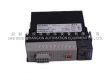
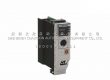
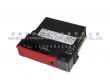
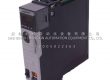
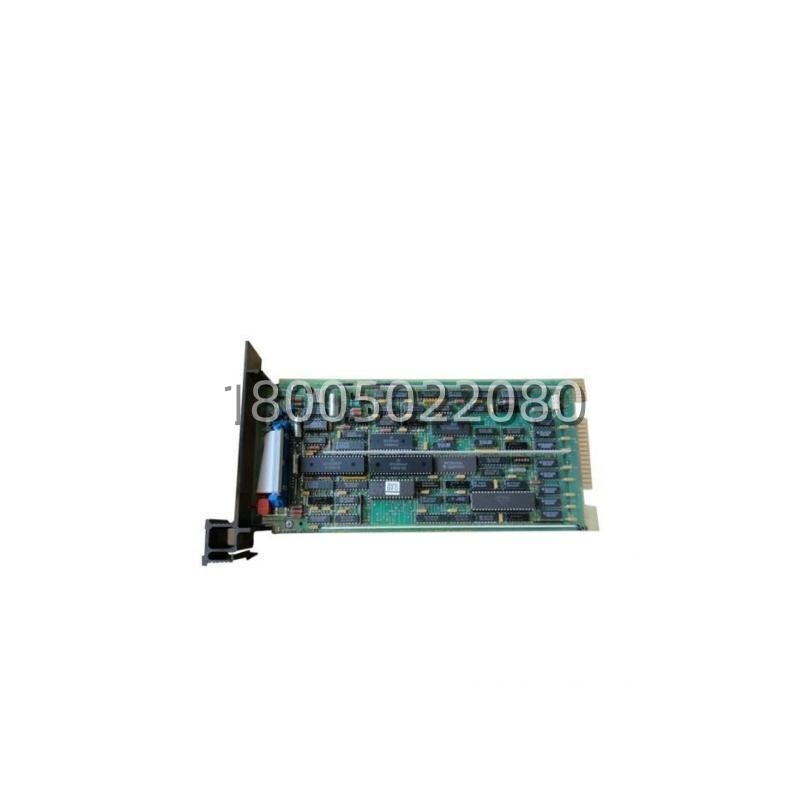
In a coal-fired power plant’s DCS upgrade, the existing Bailey INFI 90 system needs to integrate with a new Symphony Plus operator station. The ABB SPBRC400 module is installed in the legacy PCU (Process Control Unit) rack. It continuously listens to the INFI-NET ring network, capturing real-time boiler temperature and turbine speed data. The module then translates this proprietary control data into a format compatible with the newer Symphony engineering station over an Ethernet link. This allows operators to monitor the legacy INFI 90 process on modern HMIs without replacing the entire underlying control hardware, enabling a cost-effective, phased migration strategy.
Parameter
| Parameter | Value / Specification |
|---|---|
| Device Type | DCS Bridge / Network Interface Controller |
| System Platform | ABB Bailey INFI 90 / NETWORK 90, Symphony Plus |
| Microprocessor | 32-bit RISC, ~400 MHz |
| Memory | 256 MB – 512 MB SDRAM, 1 GB Flash (varies by version) |
| Auxiliary Supply | +5V DC (via backplane, ~2.2A max) or 24V DC external |
| Communication Ports | INFI-NET (optical/coax), Ethernet, RS-232/485 |
| Protocol Support | INFI-NET, Cnet, Modbus, TCP/IP (system-dependent) |
| Redundancy | Yes (Redundant Receive Interface – RRI) |
| Operating Temperature | 0°C to +60°C (typical industrial range) |
| Status | Active / Critical Spare (Core to Symphony Plus lifecycle) |
Technical Principles and Innovative Values
- Innovation Point 1: Dual-Network Data Brokerage: The SPBRC400 acts as a sophisticated protocol gateway. It maintains simultaneous connections to the deterministic, high-speed INFI-NET control network (for I/O and controller data) and the plant-wide Ethernet network (for HMI and SCADA). Unlike a simple repeater, it performs intelligent data routing and filtering, ensuring that only relevant process data is passed to the upper layers, thereby optimizing network bandwidth and reducing latency for critical control loops.
- Innovation Point 2: Backward-Compatible Performance Leap: Designed as an evolution of the older BRC-100/300 series, the SPBRC400 offers a significant processing power upgrade (32-bit RISC vs. older 16-bit CPUs) while maintaining form-fit-function compatibility with existing INFI 90 racks. This allows plants to modernize their DCS brainpower—gaining faster scan times and larger memory for complex logic—without the costly rewiring and panel modifications typically associated with a full system replacement.
- Innovation Point 3: Deterministic Control with Enhanced Diagnostics: The module is engineered for hard real-time performance. It manages the precise timing of the INFI-NET token-passing ring, ensuring deterministic data delivery between nodes. Furthermore, it features advanced self-diagnostics that monitor the health of the CPU, memory, and network interfaces. In redundant configurations, it enables seamless, bumpless switchover to a standby controller in the event of a fault, which is critical for 24/7 continuous processes like power generation.
Application Cases and Industry Value
- Case Study: Refinery DCS Consolidation: A large oil refinery operated a mix of Bailey INFI 90 and newer ABB systems, leading to data silos. Engineers deployed SPBRC400 modules as unified gateways. They aggregated data from multiple INFI-NET segments and exposed it as a single Modbus TCP server to the central System 800xA platform. This eliminated the need for separate gateway hardware and reduced integration engineering time by an estimated 30%, while providing a unified view of the entire process for operators.
- Industry Value: In the water treatment sector, the SPBRC400‘s reliability in humid environments and its ability to integrate legacy pump controls with modern SCADA systems help municipalities extend the life of critical infrastructure, ensuring uninterrupted water supply.