WhatsApp:+86 18005022363 WeChat: +86 18005022363
  Email:
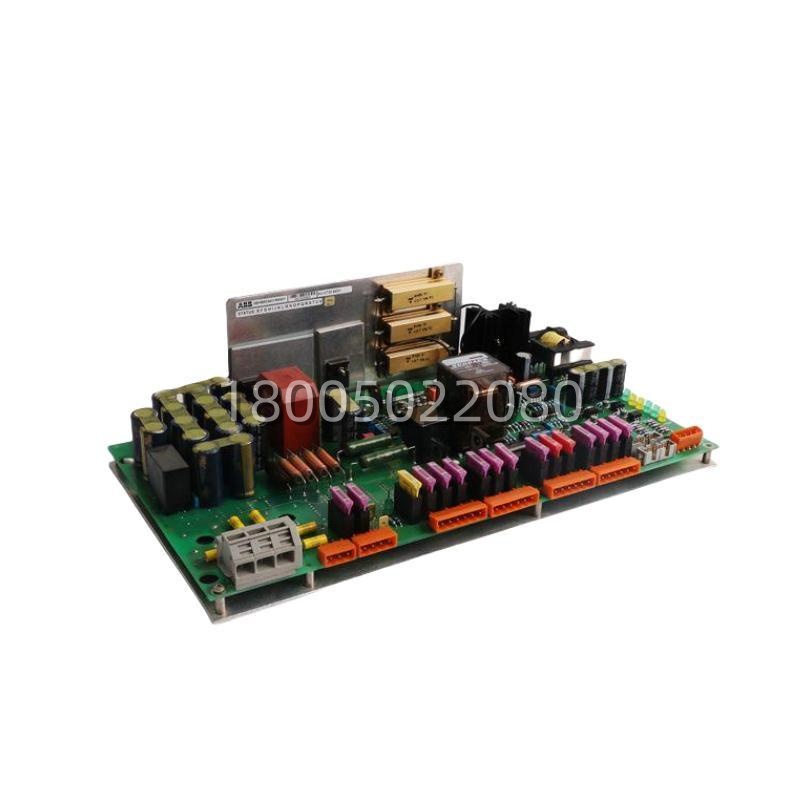
Application Scenarios
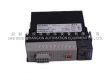
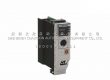
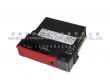
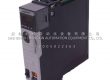
In a hot-strip finishing-mill main drive (ACS6000, ~8–12 MW class, feeding a 6 kV / 50 Hz synchronous motor), the KUC720AE01 is what keeps the speed-loop stable through a threading transient where the strip tension jumps from 0 to 280 kN in 400 ms. One afternoon, the mill’s No. 3 stand threw a “regulation fault – watchdog” and dropped the drive into coasting stop — 14 minutes of lost production, ~€90 k. The drive engineer pulled the KUC720AE01 and found the watchdog复位 was being triggered by a marginal solder joint on the board’s oscillator section (thermal cycling over 9 years in the rectifier hall, ambient 52 °C behind the cubicle). The spare-store had a 3BHB003431R0001 (KUC720AE01, AE01) — same rev as the failed board. Swap sequence: isolate 24 V control, unplug the two fiber ribbons (to KUC711 inverter gate + KUC712 rectifier gate), undo the front locking lever, lift the board out of the KUC rack guide (the KUC7xx boards share a common mechanical envelope — KUC720 sits between the gate units), seat the new one, replug fibers, power up. The ACS6000 ran its internal “KUC presence check,” recognized the KUC720AE01 AE01, and the regulation came online — no parameter download needed (the AE01’s flash holds the drive’s application; a same-rev swap preserves it, though a config backup via DriveWindow is still best practice). Mill back online same shift. The plant EE’s note afterward: “We used to stock a whole spare ACS6000 control cubicle door. Now we stock a KUC720, a KUC711, a KUC712, and a fiber-spares tube. That covers 90 % of the ‘door won’t regulate’ tickets.”
Parameter
| Main Parameters | Value/Description |
|---|---|
| Product Model | KUC720AE01 |
| Order Numbers | 3BHB000652R0001 (early code) / 3BHB003431R0001 (active spare code) |
| Manufacturer | ABB |
| Product Category | Control & Regulation Unit (CPU Board) – KUC7xx Family |
| Host Drive | ACS6000 (primary), ACS5000-class (shared KUC architecture) |
| Function | Speed/current/flux regulation, host-comm termination, fiber firing distribution to KUC711/KUC712 |
| Downstream Companions | KUC711 (inverter gate unit), KUC712 (rectifier gate unit, 4-Q units) |
| Interface (Upstream) | Host DCS/SCADA (fiber electrical, Profibus/Modbus TCP depending on option); operator panel / DriveWindow |
| Interface (Downstream) | Fiber links to KUC711 / KUC712 (firing pulses + diagnostic echo) |
| Mechanical | KUC rack format (guide-rail + front locking lever); shared envelope with KUC711/KUC712 |
| Operating Temp | -20 °C to +70 °C (KUC rack internal; typical for MV drive control compartment) |
| Keying | KUC7xx mechanical keying prevents KUC720/KUC711/KUC712 cross-slot (but same envelope — watch the silk-screen) |
| Configuration Store | Onboard flash (application + parameters); same-rev swap = no download, but backup recommended |
| Indicators (Typical KUC7xx) | Run LED, Fault LED, fiber-link status LEDs (per KUC711/712 counterpart — KUC720 may carry host-comm LEDs) |
| Compatibility Note | AE01 vs. AE02 — verify your rack’s existing KUC720 rev before ordering; AE01 ↔ AE02 not always drop-in without firmware check |
Technical Principles and Innovative Values
- Innovation Point 1: KUC720 as the Regulation Hub of a Multi-MW MV Drive. In an ACS6000, the power section (IGCTs, DC-link, snubbers) is dumb hardware — it needs firing angles, it needs current-loop correction 4–16 kHz, it needs flux observers for direct torque control. That’s the KUC720AE01‘s job. It samples armature voltage/current via the measurement chain (separate board, often a KUx or SDCS-measurement cousin in the same rack), runs the vector/DTC algorithm on its onboard DSP/CPU, and shoots firing-angle words down fiber to the KUC711 (inverter) and KUC712 (rectifier). The KUC720AE01 is the only board in the KUC rack that “understands” the process — the gate units are just loyal interpreters.
- Innovation Point 2: Fiber Downstream, Electrical Upstream — Noise Isolation by Design. The KUC720AE01 talks to the gate units over fiber (completely immune to the IGCT switching noise that fills an MV drive cubicle), but talks to the plant DCS over electrical (Profibus/Modbus/electrical fiber converter depending on option). This hybrid choice means the regulation loop (the noise-sensitive part) is fiber-isolated from the power section, while the plant-interface side stays flexible. For a steel-mill cubicle 3 metres from a 10 kA arc furnace, that fiber choice is what keeps the “speed-loop glitch during EAF tap” incidents manageable.
- Innovation Point 3: Shared KUC Envelope + Keying = Swap-Safe but Rev-Aware. The KUC720AE01 shares the same mechanical guide-rail envelope as KUC711 and KUC712 — all three slide into the KUC rack side-by-side. ABB uses mechanical keying (plastic key tabs on the front bracket) to prevent a KUC720 from going into a KUC711 slot (different key code). But the revmatters: AE01 vs. AE02 may have firmware/DSP detail differences. A same-rev swap (AE01→AE01, which is what 3BHB003431R0001 represents) is plug-and-play with parameter retention. A cross-rev swap canwork but may need a firmware load + parameter restore. The KUC720AE01 AE01 is the stable mid-life rev for most ACS6000 fleets — if your rack still runs AE01, the 3BHB003431R0001 is the right spare.
Application Cases and Industry Value
Case 1 – Mine Winderman Hoist (Underground, ACS6000 4-Q, ~5 MW): The skip hoist’s ACS6000 uses KUC720AE01 (regulation) + KUC711 (inverter gate) + KUC712 (rectifier gate, 4-Q). During a scheduled overhaul at 7 years, the KUC720’s electrolytic on the 24 V aux input section tested borderline on ESR (not yet a fault, but trending). Rather than wait for a “watchdog” trip 400 m underground during a production shift, the depot staged a 3BHB003431R0001 KUC720AE01 AE01. Swap took 20 minutes during a scheduled cage-down window. Post-swap, the hoist’s speed-loop jitter (which the vibration guy had been complaining about at 0.8 Hz — regulator quantization noise from the ageing DSP clock) dropped by ~30 %. The mine’s automation lead: “The KUC720 isn’t the part that fails often. But when it ages, the loop quality drifts before it actually faults. Swapping at 7 years was cheaper than one ‘cage stuck mid-shaft’ call-out.”Case 2 – Marine Azimuth Thruster (ACS6000, 6.6 kV, LNG Carrier): The thruster drive’s KUC720AE01 had its host-comm fiber (to the ship’s I/PMS) go intermittent — root cause traced to a cracked strain-relief boot on the KUC720’s front-panel fiber receptacle (ship vibration + hull flex). The ETO (electro-technical officer) carried a spare KUC720AE01 (3BHB003431R0001) in the ship’s store — swapped the board, the fiber seated clean on the new receptacle, thruster back online before the pilot boarding window closed. The superintendent’s note post-voyage: “We stock KUC720, KUC711, KUC712 as the ‘MV drive door trio.’ Everything else on the ACS6000 is IGCTs and snubbers — those fail slower. The KUC rack is what you want on the shelf when you’re 14 days from port.”