WhatsApp:+86 18005022363 WeChat: +86 18005022363
  Email:
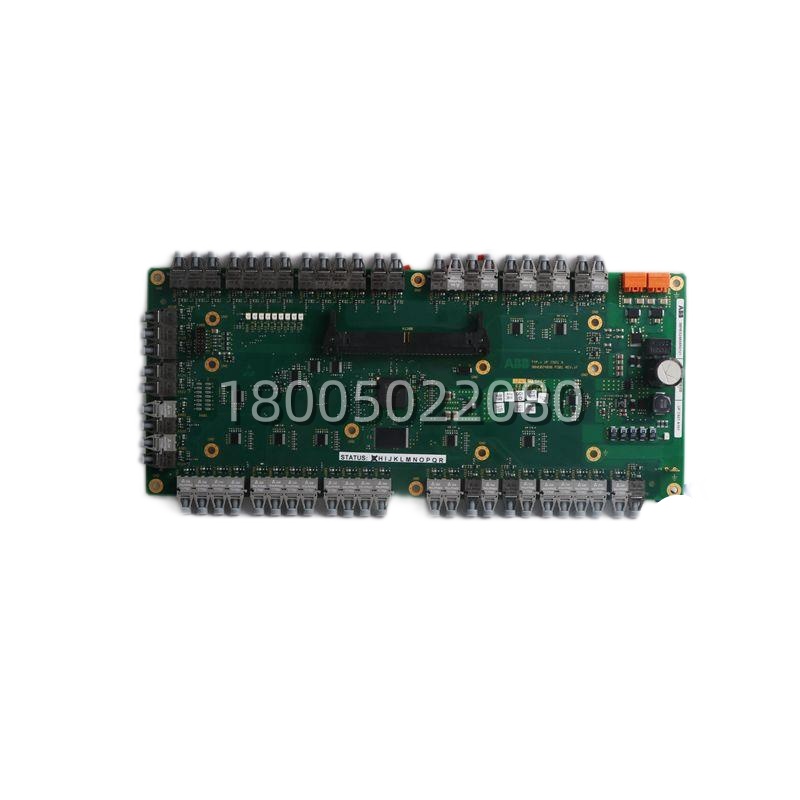
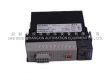
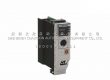
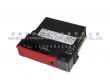
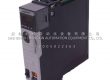
DescriptionThe ABB 3BHB001336R0001 is a processor board manufactured by ABB, belonging to the control-rack ecosystem of ABB’s medium-voltage drive platforms — most prominently the ACS6000 series (IGCT-based, 3–27 MW) and the PCS6000 (medium-voltage inverter for marine propulsion, pumps, and renewables). Within the drive’s regulator cabinet, the 3BHB001336R0001 functions as the primary CPU board: it executes the vector-control / direct-torque-control algorithms, manages the fiber-optic firing pulses to the IGCT power stack, handles the DCS/SCADA communication (via Profibus DP, Modbus TCP, or AF100/MB300 depending on configuration), and runs the drive’s onboard diagnostics. It is a board-level spare built for the EMI-intense environment of MV drive halls where a processor hiccup means a 10 MW induction motor stops turning.Application ScenariosAt a 5-stand hot-strip steel mill in Northern Italy, the finishing-section main drive is a 12 MW ACS6000 (three-level NPC, IGCT power stack) running the looper and tension control at 1,150 m/min. During a scheduled roll change, the drive wouldn’t come out of “control board init” — the ABB 3BHB001336R0001 in the regulator rack was stuck on a persistent watchdog reset, and the standby CPU (the ACS6000 typically runs a primary + standby regulator CPU for redundancy) had been disabled months prior for a firmware test that never got re-enabled. The automation crew isolated the regulator 24 V DC aux, released the 3BHB001336R0001 from the 19″ rack guide rails (it shares the rack with the gate-unit interface boards and the power-supply board), and seated a fresh unit. The standby CPU was re-activated in the drive’s “TYPE” parameter set, the 3BHB001336R0001 booted, pulled its firmware from the flash sibling, and the drive was back online 22 minutes after the fault — just in time for the next coil schedule. The rolling-mill E&I lead: “The 3BHB001336R0001 is the one board in the ACS6000 regulator you don’twant to be hunting for on a Friday night. We keep two on the critical shelf now — one for the main, one for the standby.”
Parameter
| Main Parameters | Value/Description |
|---|---|
| Product Model | 3BHB001336R0001 |
| Manufacturer | ABB |
| Product Category | Processor Board (Regulator Rack CPU) |
| Primary Host Platform | ABB ACS6000 / PCS6000 medium-voltage drive systems |
| Core Function | Vector/DTC algorithm execution, IGCT gate-pulse scheduling, DCS comm management |
| Communication (Upstream) | Profibus DP / Modbus TCP / ABB AF100-MB300 (depending on drive config) |
| Communication (Downstream) | Fiber-optic links to IGCT gate units (via rack-mate interface boards) |
| Mounting | 19″ regulator rack, guide-rail + screw retention (shared rack with PU/IF boards) |
| Operating Temperature | 0°C to +50°C (controlled regulator cabinet) |
| Supply Voltage | 24 V DC / 5 V DC (from regulator rack power supply board) |
| Redundancy | Supports primary + standby CPU pairing in ACS6000 architecture |
| Firmware Carrier | Onboard flash + battery-backed SRAM (parameter retention) |
| Compliance | CE, IEC 61800-3 (MV drive EMC/environment) |
Technical Principles and Innovative Values
- Innovation Point 1: Dual-CPU Redundancy Within One Regulator Rack. The ACS6000 regulator rack is designed to hold two processor boards — a primary 3BHB001336R0001 and a standby. Under normal running, the primary executes the torque/speed loop and fires the IGCTs; the standby tracks the state via a high-speed backplane mirror. If the primary watchdog trips (processor lockup, EMI spike, internal bus error), the standby takes over in <2 ms — the motor never sees a flux disturbance. This is why a single 3BHB001336R0001 failure on a properly configured rack doesn’t stop production; but if bothare aged out, you’re one fault away from a line stop. The 3BHB001336R0001 is the only board in the rack where “buy two” is genuinely justified.
- Innovation Point 2: Fiber-Optic Gate-Pulse Architecture From CPU to IGCT. The 3BHB001336R0001 doesn’t drive the IGCTs directly — it talks to the gate-unit interface boards on the same regulator rack via high-speed backplane, and those boards fire the IGCTs through plastic optical fibers that pierce the barrier between the 24 V DC regulator cabinet and the 6.9 kV power stack. That galvanic isolation means a phase-leg explosion in the IGCT stack can’t back-feed into the 3BHB001336R0001 — the worst case is a “gate-unit comm loss” alarm, not a fried CPU. For a 12 MW drive, that isolation is what keeps a 4,000 processor board from becoming a 40,000 casualty.
- Innovation Point 3: Parameter Retention Across Board Swaps. The 3BHB001336R0001 carries the drive’s application parameters in flash + battery-backed SRAM. In practice, when you swap a failed unit for a fresh one, the new board either pulls the parameter set from the standby CPU (if one exists) or from a DriveWindow BPG restore — but the board itself is designedso that the parameter store isn’t lost with the hardware. That’s a deliberate choice vs. the AC500 world (where settings live on the CPU and travel with it) — on ACS6000, the 3BHB001336R0001 is more “compute engine” and less “database,” which is why a board-only swap is viable without a full re-commission.