WhatsApp:+86 18005022363 WeChat: +86 18005022363
  Email:

Description:
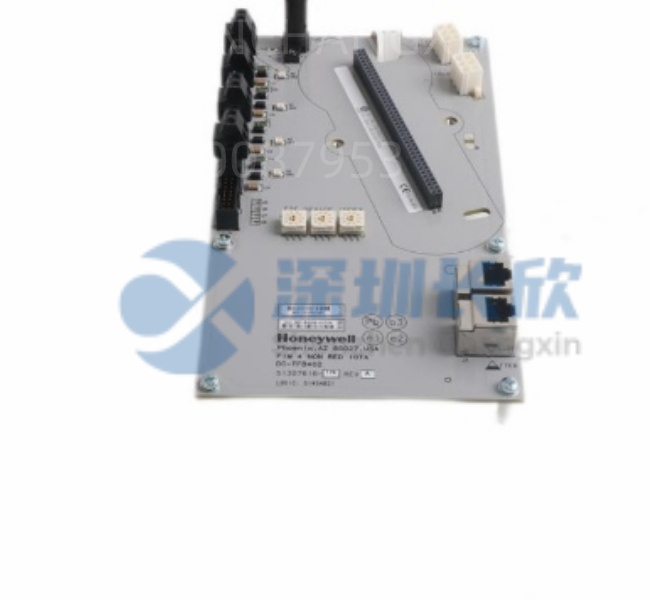
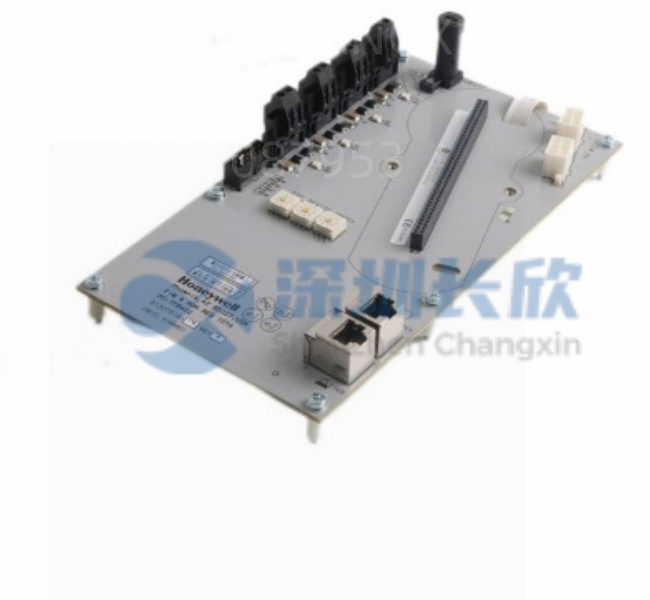
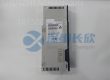
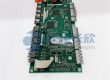
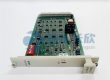
The HONEYWELL DC-TFB402 (Part 51307616-176) is a rugged, loop-powered vibration velocity transmitter designed for continuous condition monitoring of rotating machinery. Manufactured by Honeywell, this integrated sensor and transmitter combines a precision seismic velocity sensor with a 4-20mA output circuit, providing a reliable, long-term vibration signal proportional to the overall machine health for predictive maintenance programs.
Application Scenarios:
In a large petrochemical plant, a critical centrifugal compressor operating 24/7 in a gas processing unit begins to develop a subtle mechanical fault—perhaps an early stage of bearing wear or minor imbalance. Traditional manual route-based data collection might miss this developing issue for weeks. A HONEYWELL DC-TFB402 (51307616-176) transmitter, permanently mounted on the compressor’s bearing housing, solves this problem. It continuously measures the casing vibration velocity and transmits a proportional 4-20mA signal directly to the plant’s Distributed Control System (DCS). The DCS continuously monitors this signal; a gradual upward trend in the 4-20mA output triggers an early warning alarm in the control room long before the vibration reaches a critical shutdown level. This allows maintenance planners to schedule corrective action during the next planned outage, preventing a catastrophic, unplanned failure that could cost millions in lost production. The HONEYWELL DC-TFB402 directly addresses the core pain point of unexpected downtime by enabling data-driven, predictive maintenance.
Parameter:
Technical Principles and Innovative Values:
The HONEYWELL DC-TFB402 (51307616-176) embodies a practical and reliable approach to machine health monitoring:
Innovation Point 1: Integrated Simplicity of a 2-Wire Transmitter. The key innovation is its fully integrated, loop-powered design. It combines a sensitive velocity sensor and a current transmitter in one robust housing. This eliminates the need for separate sensors, external power supplies, and signal conditioners, drastically simplifying installation, wiring, and system cost compared to traditional systems requiring separate cabling for power and signal.
Innovation Point 2: Direct Compatibility with Control Infrastructure. The 4-20mA analog output is the universal language of process control. The HONEYWELL DC-TFB402 speaks this language natively, allowing its vibration signal to be wired directly into any DCS, PLC, or SCADA system’s analog input card. This enables seamless integration of machinery health data into the primary control and alarm system, making it visible to operators in real-time without needing a separate, specialized monitoring network.
Innovation Point 3: Velocity Measurement for Overall Machine Health. By measuring vibration velocity(rather than displacement or acceleration), the HONEYWELL DC-TFB402 provides a signal that correlates well with the overall severity of vibration and is an excellent overall indicator of machine health for a wide range of industrial machinery (pumps, fans, motors, compressors). This makes it a versatile, go-to solution for general-purpose predictive maintenance, effective at detecting imbalance, misalignment, and looseness.
Innovation Point 4: Ruggedized for Industrial Longevity. Designed for permanent installation in harsh environments, it features robust construction to withstand high temperatures, moisture, and chemical exposure commonly found in industrial settings. Its reliability ensures a stable, low-drift signal over years of continuous operation, forming a trustworthy foundation for a predictive maintenance program.
Application Cases and Industry Value:
A Midwestern power generation facility was experiencing persistent, unexplained trips on one of its induced draft (ID) fans, leading to forced outages and costly penalty charges from the grid operator. Manual vibration readings were sporadic and inconclusive. The engineering team permanently installed HONEYWELL DC-TFB402 (51307616-176) transmitters on the fan’s inboard and outboard bearings, wiring them directly into the plant’s existing DCS. Within days, the continuous data stream revealed a clear pattern: vibration levels on the outboard bearing would slowly rise over a 48-hour period before a trip occurred. This signature pointed directly to a lubrication issue causing intermittent bearing distress. Maintenance addressed the faulty lubrication line. Subsequently, the DCS was configured with an alarm on a slightly lower vibration threshold from the HONEYWELL DC-TFB402. The next time the trend began, an early warning was issued, and the issue was corrected during a minor load reduction, avoiding a full trip. The HONEYWELL DC-TFB402 delivered value by transforming an unpredictable failure into a manageable, scheduled event, saving an estimated $250.000 per avoided trip and providing a return on investment within weeks.
Related Product Combination Solutions:
Honeywell VibroSight or other CMS Software: A dedicated Condition Monitoring Software platform that can collect, trend, and analyze data from multiple HONEYWELL DC-TFB402 transmitters for advanced diagnostics.
DCS/PLC Analog Input Card (e.g., Honeywell Series C AI Card): The interface point in the control system that receives the 4-20mA signal from the HONEYWELL DC-TFB402.
Intrinsic Safety (IS) Barrier: For installations in hazardous areas, an IS barrier is placed between the HONEYWELL DC-TFB402 in the field and the safe-area DCS.
Velocity to 4-20mA Converter Module: For systems using a separate passive velocity sensor, a converter module provides similar functionality to the integrated HONEYWELL DC-TFB402.
Portable Vibration Analyzer: Used for periodic, detailed route-based measurements that complement the continuous monitoring of the permanently installed HONEYWELL DC-TFB402.
Accelerometer (ICP type): A different type of sensor used for higher-frequency measurements; the HONEYWELL DC-TFB402 offers a simpler, lower-maintenance alternative for overall velocity.
Honeywell XY Proximity Probe System: For direct measurement of shaft relative vibration (displacement) on turbomachinery, used in conjunction with casing-mounted transmitters like the HONEYWELL DC-TFB402 for full machine protection.
Installation, Maintenance, and Full-Cycle Support:
Installation of the HONEYWELL DC-TFB402 (51307616-176) is straightforward but critical for accurate measurement. The transducer must be securely mounted to a clean, flat, and unpainted surface on the machine bearing housing, using the correct stud or adhesive. The mounting location should be as close as possible to the bearing and in the direction of primary measurement (typically radial). The 2-wire loop is then connected, observing polarity: the positive loop supply goes to the positive transmitter lead, and the 4-20mA signal is read from the negative lead. No separate power wiring is needed.
Maintenance is minimal due to its solid-state design. The primary task is verifying signal integrity during routine checks. This involves using a process calibrator or multimeter to measure the 4-20mA output while the machine is running and comparing it to the DCS reading. Physical inspection for loose connections or damage to the cable/conduit is also recommended. The HONEYWELL DC-TFB402 itself is a non-repairable, long-life device. We provide full lifecycle support, from supplying genuine Honeywell transmitters to offering guidance on optimal installation practices and troubleshooting signal issues. Our goal is to ensure your condition monitoring investment provides reliable, actionable data for years.